Quick Navigation
Essential Info
- Location: Kerikeri Basin
- Visit Time: 1-2 hours
- Entry: Small admission fee
- Best Time: Year-round
- Guided Tours: Available
About Rewa's Village
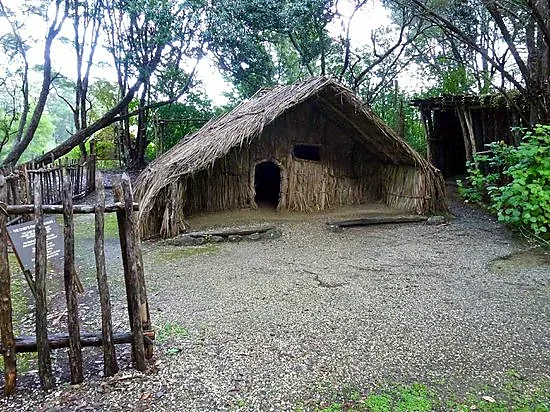
Rewa's Village is an authentic recreation of a pre-European Māori fishing village, located in the historic Kerikeri Basin. Named after the Ngāpuhi chief Rewa who lived in the area during the early 1800s, this living museum offers visitors a unique opportunity to experience traditional Māori life and culture.
The village features traditionally constructed buildings including whare (houses), a chief's house, cooking areas, and storage structures, all built using authentic methods and materials. It's one of the few places in New Zealand where you can see and experience how Māori lived before European contact.
What to Experience
Traditional Architecture
Explore authentic Māori buildings constructed using traditional techniques:
- Whare Rangatira: The chief's house, showcasing superior craftsmanship
- Whare Puni: Sleeping houses for families
- Pataka: Raised food storage buildings
- Cooking Areas: Traditional earth ovens (hangi) and cooking methods
- Waka: Traditional Māori canoes
Cultural Demonstrations
Depending on when you visit, you may experience:
- Traditional weaving demonstrations
- Māori games and activities
- Storytelling about local history and legends
- Traditional food preparation methods
- Guided tours explaining daily life in the village
Local Tip
Take a guided tour if available - the guides provide fascinating insights into Māori culture, traditions, and the historical significance of the site that you might miss on a self-guided visit.
Visitor Information
Planning Your Visit
- Location: Landing Road, Kerikeri Basin (next to the Stone Store)
- Opening Hours: Check locally as hours vary seasonally
- Admission: Small entry fee (supports village maintenance)
- Duration: Allow 1-2 hours for your visit
- Accessibility: Some areas may be challenging for mobility-impaired visitors
- Photography: Permitted, but be respectful
What to Bring
- Comfortable walking shoes
- Sun protection (hat, sunscreen)
- Camera for photos
- Water bottle
- Cash for admission and any purchases
Cultural Significance
Rewa's Village holds deep cultural and historical significance:
Historical Context
The village is located in an area that was densely populated by Māori before European arrival. The nearby Kororipo Pā was one of the largest fortified villages in New Zealand, home to the powerful chief Hongi Hika.
Chief Rewa, after whom the village is named, was a significant figure in early contact between Māori and Europeans. He lived in this area during the establishment of the Kerikeri Mission Station in the 1820s and played an important role in the complex relationships between Māori tribes and European settlers.
Preservation and Education
The village serves as an important educational resource, helping preserve traditional Māori building techniques, cultural practices, and knowledge for future generations. It provides visitors with authentic insights into pre-European Māori life that can't be found in books or museums alone.

Getting There from Kerigold Chalets
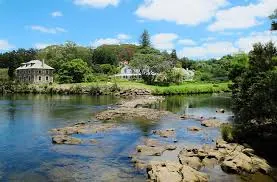
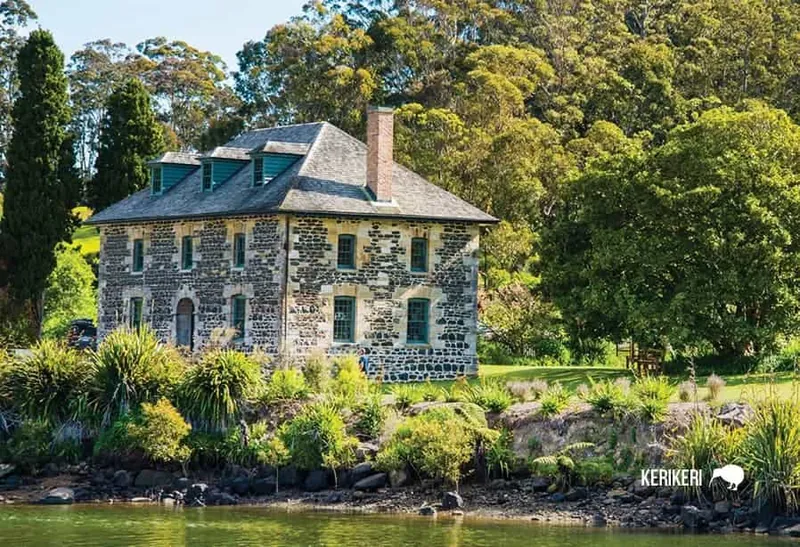
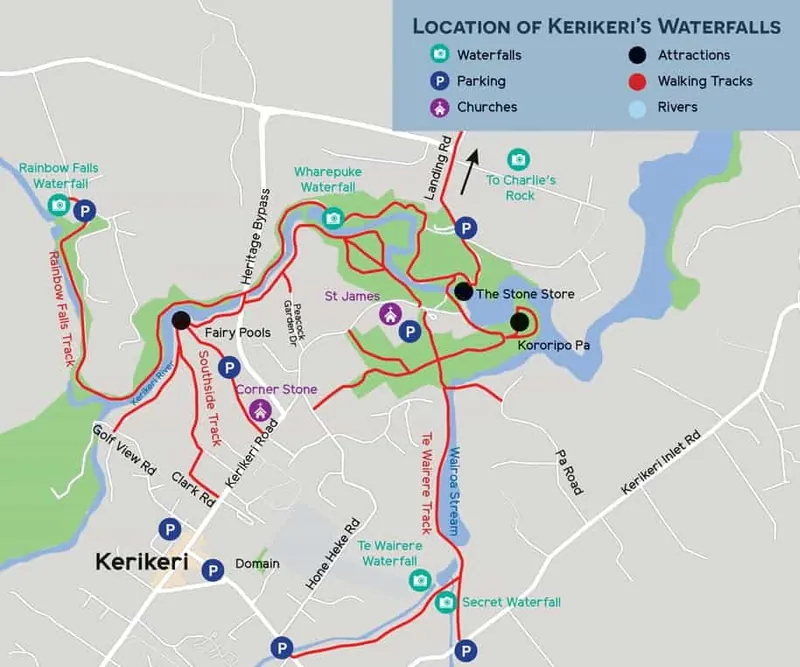
Rewa's Village is just a 10-minute drive from Kerigold Chalets. Head into Kerikeri township and follow signs to the Kerikeri Basin. Free parking is available near the Stone Store, and the village is a short walk from there.
Where to Stay
Experience Rewa's Village and Kerikeri's rich cultural heritage by staying at Kerigold Chalets. Our location offers:
- Easy access to all Kerikeri Basin attractions
- Private, comfortable chalets for relaxation after exploring
- Local knowledge about Kerikeri's history and culture
- Central base for exploring Northland's heritage sites