Quick Navigation
Essential Info
- Māori Name: Te Tiriti o Waitangi
- Location: Waitangi, Bay of Islands
- Drive from Kerikeri: ~35 minutes
- Hours: 9am – 5pm daily
- Entry: Fee applies
- Cultural shows: Daily, included
The Waitangi Treaty Grounds (Te Tiriti o Waitangi) is the most historically significant site in New Zealand - the place where the Treaty of Waitangi was signed on 6 February 1840 between the British Crown and over 500 Māori chiefs. Located in the Bay of Islands, the grounds are an easy 35-minute drive from Kerigold Chalets in Kerikeri, making them a perfect day trip from your stay. No visit to Northland is complete without spending time here.
About the Waitangi Treaty Grounds
The Waitangi Treaty Grounds sit on a promontory above the Waitangi River estuary, overlooking the Bay of Islands. The 506-hectare estate was gifted to the New Zealand people by Lord and Lady Bledisloe in 1932 and is now managed by the Waitangi National Trust.
The Treaty of Waitangi (Te Tiriti o Waitangi) remains the founding constitutional document of New Zealand, establishing the relationship between the Crown and Māori (tangata whenua - the people of the land). The grounds include several nationally significant structures and tell the story of this evolving relationship through world-class museum exhibits, guided tours and cultural performances.
Historical Context
On 6 February 1840, Lieutenant-Governor William Hobson and representatives of the British Crown signed the Treaty with approximately 43 Māori chiefs at Waitangi. The Treaty was subsequently taken around the country, gathering signatures from over 500 chiefs. Today, 6 February is celebrated as Waitangi Day - New Zealand's national day.
Key Highlights
The Treaty House
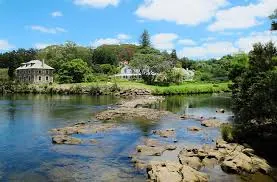
Built in 1833 for British Resident James Busby, the Treaty House is one of the oldest European buildings in New Zealand. It was here that the Treaty was signed. The house has been carefully restored and contains original furniture and exhibits about Busby's role in early colonial history and the signing event itself.
Te Whare Rūnanga
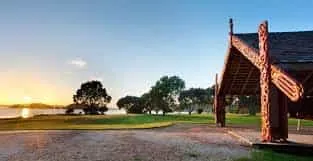
Te Whare Rūnanga (the carved meeting house) was completed in 1940 to mark the centennial of the Treaty signing. Uniquely, it features the work of master carvers from iwi (tribes) across New Zealand, making it a house that belongs to all Māori people - a powerful symbol of unity.
Ngātokimatawhaorua
The Ngātokimatawhaorua is a magnificent 35-metre waka taua (war canoe) - one of the largest in New Zealand. Carved from three kauri trees and launched in 1940, the canoe is housed in its own boat shed and is taken onto the water each Waitangi Day. Seeing it up close is breathtaking.
Te Kōngahu Museum of Waitangi
Opened in 2016, the Te Kōngahu Museum of Waitangi is a world-class museum with engaging exhibits about the Treaty, its signing, and the history of the Crown–Māori relationship. Audio-visual displays, original documents and taonga (treasures) bring this important history to life.
Visitor Information
Planning Your Visit
- Opening Hours: 9am – 5pm daily (last entry 4pm)
- Entry Fee: Adults ~$50 NZD; children (5–15) ~$20 NZD; under 5 free. Check waitangi.org.nz for current pricing.
- Guided Tours: Included with entry; depart regularly throughout the day
- Cultural Performances: Daily kapa haka (cultural performance) included with entry
- Allow: 2–3 hours for a full visit
- Café: On-site café with views over the Bay of Islands
- Parking: Free car parking available on site
- Accessibility: Most areas are wheelchair accessible
Cultural Experiences
The Waitangi Treaty Grounds offer some of the most authentic and moving Māori cultural experiences available in New Zealand:
- Kapa haka performances - traditional Māori song, dance, and haka performed daily
- Guided waka tours - learn about waka (canoe) building, navigation and tradition
- Pōwhiri (welcome ceremony) - available for group bookings
- Hāngī feasts - traditional earth oven feasts available by arrangement
- Twilight concerts - evening cultural events in summer months
Waitangi Day (6 February)
If you're visiting around Waitangi Day 2026, the grounds host New Zealand's largest national day celebrations, with ceremonies, performances, and events. Book your Waitangi accommodation well in advance - it's the busiest time of year in the Bay of Islands.
Visitor Tips
Make the Most of Your Visit
- Arrive early to join the first guided tour of the day - smaller groups get more personal attention
- Allow at least 2.5 hours - the museum alone can take an hour
- Visit the NZ History website beforehand to understand the Treaty's context
- Walk the coastal track for stunning views over the Bay of Islands
- Combine your visit with Haruru Falls - a beautiful waterfall just 4km away via the Waitangi walkway
- The on-site café serves excellent coffee and local food with bay views
- Photography is welcome throughout the grounds
Getting There from Kerigold Chalets
Waitangi is approximately 35 minutes from our chalets in Kerikeri. Head south on Kerikeri Road, join SH10 toward Paihia, then follow signs to Waitangi.
Where to Stay Near Waitangi
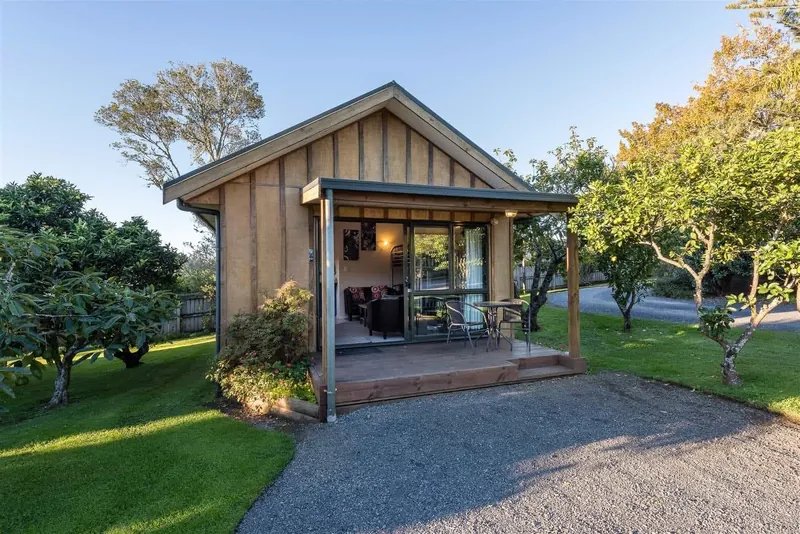
Stay at Kerigold Chalets in Kerikeri - just 35 minutes from the Waitangi Treaty Grounds. Our self-contained chalets are perfect for exploring the Bay of Islands at your own pace:
- Easy day trip distance to Waitangi, Paihia and Russell
- Private, self-contained chalets with kitchen
- Pet-friendly accommodation available
- Central Kerikeri location close to Northland's top attractions